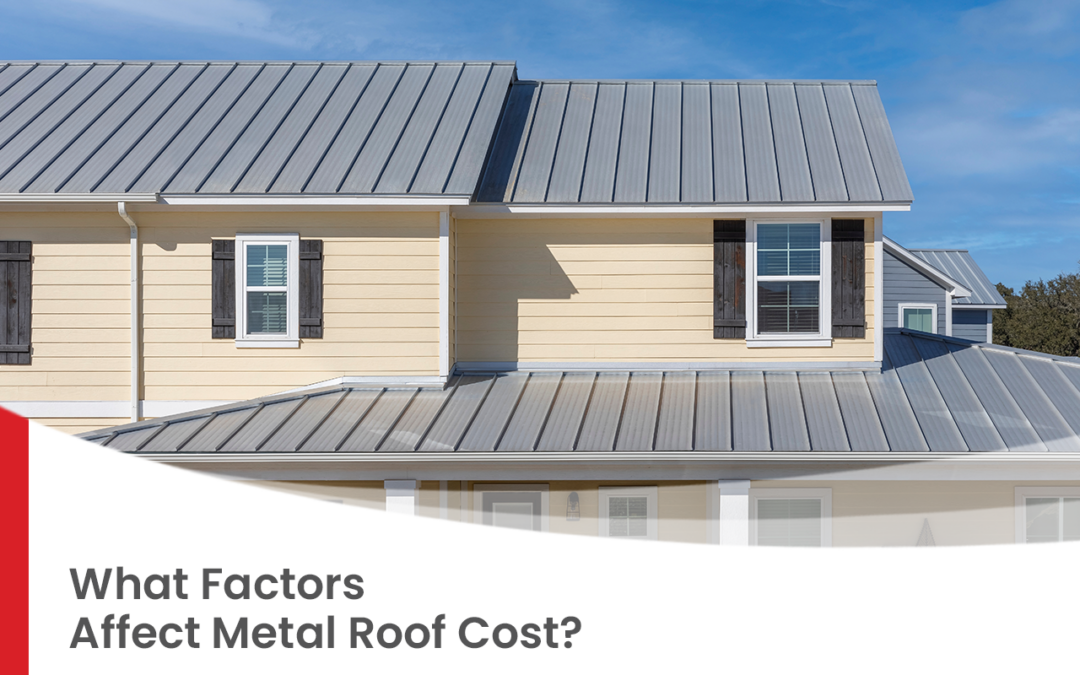
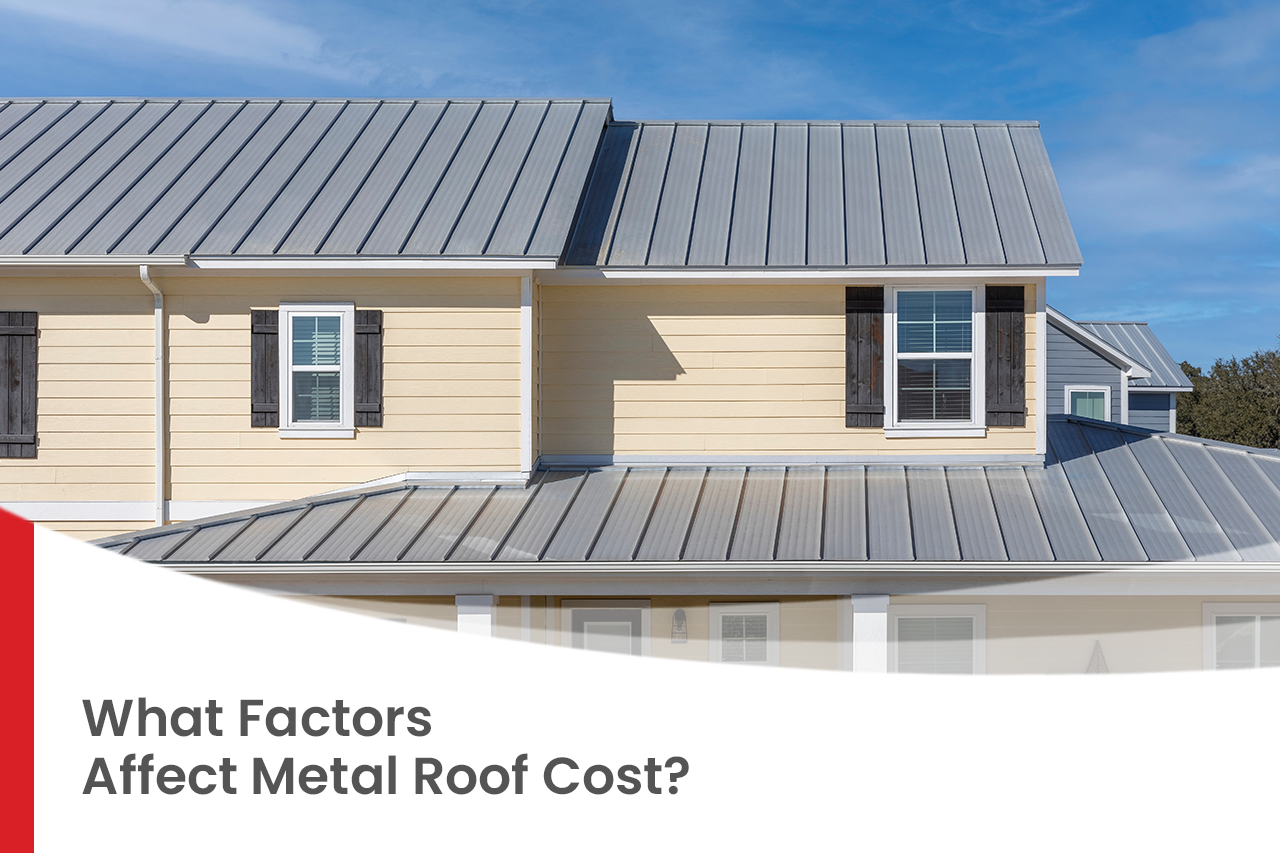
A new roof is one of the most important investments a homeowner can make. While many homeowners choose traditional asphalt shingles, metal roofing has become an increasingly popular option due to its durability, energy efficiency, and long lifespan. However, one of the biggest questions homeowners have is about metal roof cost and what factors influence the overall price.
The cost of a metal roof can vary significantly depending on the size of your home, the type of metal selected, installation requirements, and other project-specific details. Understanding what impacts metal roof cost can help you plan your budget and determine whether metal roofing is the right choice for your home.
A new roof is one of the most important investments a homeowner can make. While many homeowners choose traditional asphalt shingles, metal roofing has become an increasingly popular option due to its durability, energy efficiency, and long lifespan. However, one of the biggest questions homeowners have is about metal roof cost and what factors influence the overall price.
The cost of a metal roof can vary significantly depending on the size of your home, the type of metal selected, installation requirements, and other project-specific details. Understanding what impacts metal roof cost can help you plan your budget and determine whether metal roofing is the right choice for your home.
Why Choose a Metal Roof?
Before discussing metal roof cost, it is important to understand why many homeowners are considering this roofing option.
Metal roofs offer several advantages, including:
- Long lifespan compared to many traditional roofing materials
- Resistance to severe weather conditions
- Improved energy efficiency
- Low maintenance requirements
- Increased home value
- Environmentally friendly materials
A properly installed metal roof can last 40 to 70 years or more, making it a long-term investment for homeowners who want reliable protection.
Size of Your Roof
One of the biggest factors affecting metal roof cost is the size of your roof. Roofing contractors typically calculate pricing based on the total square footage of the roof surface.
A larger roof requires:
- More roofing materials
- More labor hours
- Additional installation time
- Increased preparation and cleanup
The design of your roof also matters. A simple, single-slope roof will generally cost less than a roof with multiple sections, steep pitches, valleys, or architectural features.
Type of Metal Roofing Material
The type of metal you choose has a major impact on your overall metal roof cost. Different materials vary in durability, appearance, availability, and price.
Steel Roofing
Steel is one of the most common metal roofing materials because it provides a strong balance between durability and affordability. Galvanized and Galvalume steel options are popular choices for residential applications.
Aluminum Roofing
Aluminum is lightweight and highly resistant to corrosion, making it a good option for homes in coastal areas or locations with high moisture exposure. It typically costs more than standard steel roofing.
Copper Roofing
Copper provides a distinctive appearance and exceptional longevity, but it is one of the most expensive metal roofing options. Many homeowners choose copper because of its unique appearance and ability to develop a natural patina over time.
Zinc Roofing
Zinc is known for its durability and long lifespan. While it offers excellent performance, it generally comes with a higher upfront investment.
The material you select will significantly influence your metal roof cost, so it is important to consider both your budget and long-term goals.
Metal Roof Style and Design
Metal roofing comes in several styles, and the design you choose can affect the final price.
Common options include:
Standing Seam Metal Roofing
Standing seam metal roofs feature vertical panels with concealed fasteners, creating a clean and modern appearance. This style is highly durable and offers excellent weather protection, but it often comes with a higher installation cost.
Corrugated Metal Roofing
Corrugated metal roofing uses exposed fasteners and a wave-like panel design. It is often a more affordable option while still providing reliable durability.
Metal Shingles
Metal shingles are designed to mimic the appearance of traditional roofing materials such as asphalt shingles, wood shakes, or slate. They provide the benefits of metal roofing while maintaining a more traditional appearance.
The complexity and style of your chosen roofing system will play a role in determining your overall metal roof cost.
Labor and Installation Requirements
Professional installation is one of the most important factors in the performance of your metal roof. While metal roofing materials are durable, improper installation can lead to leaks, premature wear, and costly repairs.
Installation costs can vary based on:
- Roof accessibility
- Roof pitch
- Existing roof condition
- Local labor rates
- Installation complexity
- Contractor experience
A skilled roofing contractor understands proper fastening techniques, ventilation requirements, flashing installation, and manufacturer guidelines that help ensure your roof performs properly.
Removing Your Existing Roof
The condition of your current roof can affect your metal roof cost. Some metal roofing systems can be installed over existing roofing materials, while others may require a complete tear-off.
A full roof removal may increase costs due to:
- Additional labor
- Disposal fees
- More preparation time
- Repairs discovered underneath the old roof
However, removing the existing roof allows contractors to inspect the decking and address hidden issues before installing your new metal roof.
Roof Repairs and Structural Considerations
Before installing a metal roof, your contractor should inspect the condition of your roof structure.
If issues are discovered, repairs may be necessary before installation begins.
Potential repairs may include:
- Replacing damaged roof decking
- Repairing moisture damage
- Improving ventilation
- Addressing structural concerns
These additional services can increase metal roof cost, but they help ensure your new roof has a strong foundation.
Insulation and Energy Efficiency Upgrades
Many homeowners choose metal roofing because of its energy-saving benefits. Metal roofs can reflect solar heat, helping reduce cooling costs during warmer months.
During installation, homeowners may choose to add:
- Improved insulation
- Radiant barriers
- Enhanced ventilation systems
While these upgrades may increase the initial metal roof cost, they can contribute to long-term energy savings and improved indoor comfort.
Geographic Location and Weather Conditions
Where you live can also impact metal roof cost. Labor rates, material availability, building codes, and weather conditions all influence pricing.
For Ohio homeowners, a metal roof can provide valuable protection against:
- Heavy rain
- Strong winds
- Snow accumulation
- Ice buildup
- Temperature fluctuations
A roofing contractor familiar with local conditions can recommend materials and installation methods suited for your area.
Long-Term Value of a Metal Roof
Although the upfront metal roof cost is often higher than asphalt shingles, many homeowners consider metal roofing a smart long-term investment.
The benefits can include:
- Fewer replacement costs over time
- Reduced maintenance needs
- Better weather resistance
- Improved energy efficiency
- Increased curb appeal
When comparing roofing options, it is important to consider the total value over the life of the roof rather than only the initial installation price.
Is a Metal Roof Worth the Investment?
A metal roof may be the right choice for homeowners who value durability, longevity, and low maintenance. While the initial metal roof cost can be higher than other roofing materials, the long-term benefits may make it a worthwhile investment.
Before making a decision, consider:
- Your budget
- How long you plan to stay in your home
- Your home's design
- Local weather conditions
- Your desired maintenance level
A professional roofing consultation can help you understand your options and determine whether metal roofing fits your needs.
Trust HomeShield Ohio for Your Metal Roofing Needs
Understanding what impacts metal roof cost can help you make a confident decision when investing in your home's future. Factors such as material selection, roof size, installation requirements, and additional repairs all play a role in determining the final cost.
At HomeShield Ohio, we provide homeowners with honest recommendations, professional roofing services, and quality craftsmanship designed to protect homes throughout Ohio. Whether you are considering a metal roof installation or exploring other roofing options, our team is here to help you find the right solution.
Contact HomeShield Ohio today to schedule a consultation and learn more about your metal roofing options.
Related Roofing Blogs

Is Rubber Roofing the Best Option for Your Property?
Choosing the right roofing material is one of the most important decisions you can make for your property. Whether you own a home with a low slope roof or manage a commercial building, selecting a roofing system that offers durability, weather resistance, and...
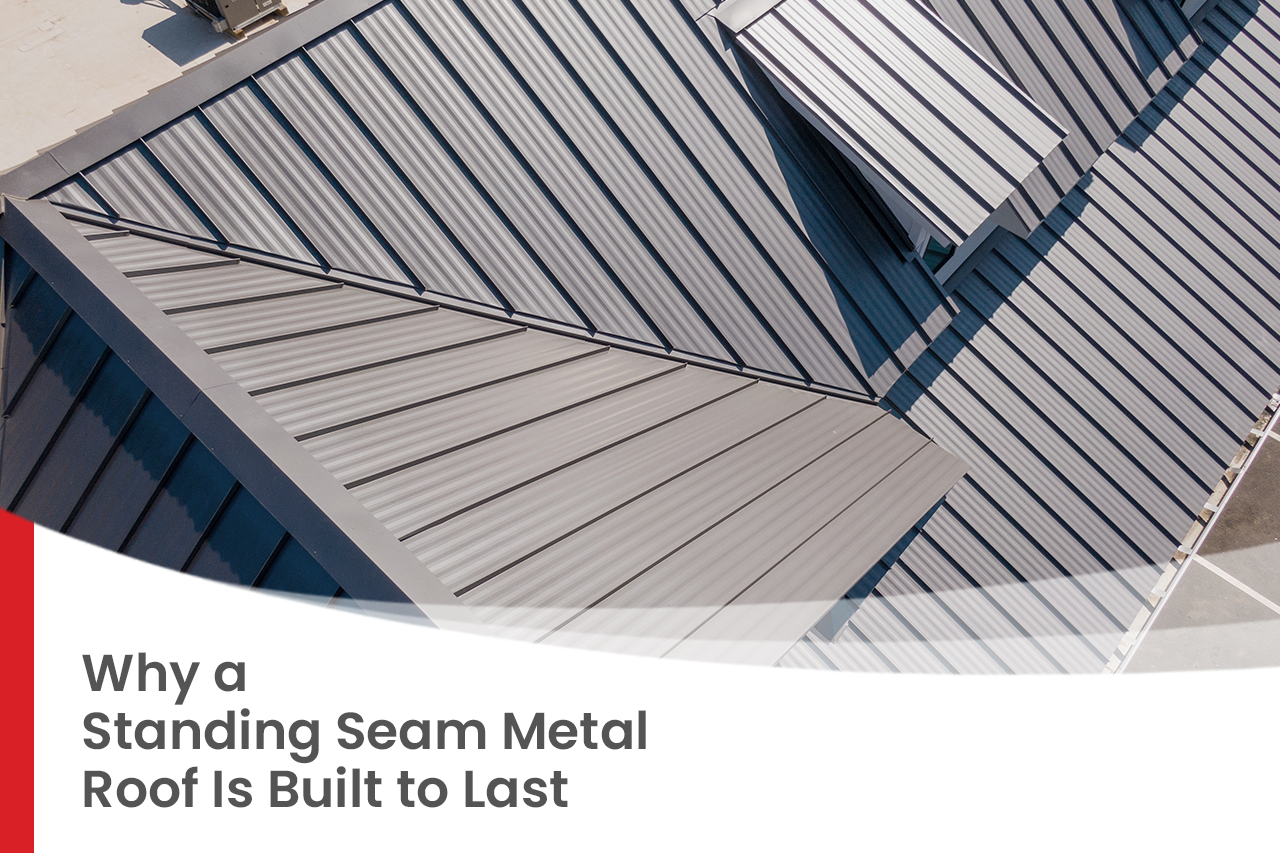
Why a Standing Seam Metal Roof Is Built to Last
When choosing a new roof, homeowners want a solution that provides lasting protection, improves curb appeal, and delivers long-term value. While asphalt shingles remain a popular option, more homeowners are considering metal roofing because of its exceptional...
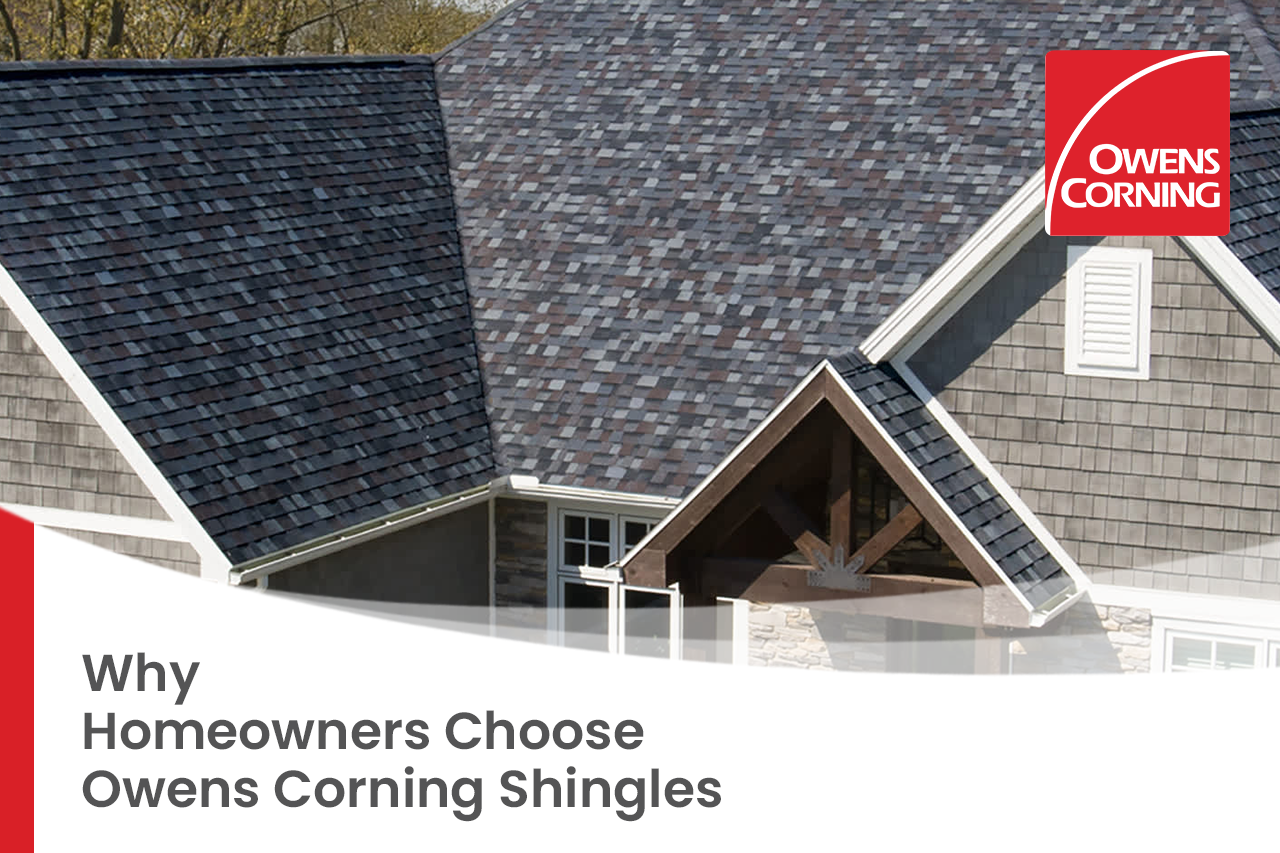
Why Homeowners Choose Owens Corning Shingles
When it comes to protecting your home, your roof is one of the most important investments you will make. A quality roofing system helps defend your home against rain, wind, snow, heat, and other weather conditions while also contributing to your property's appearance...