Your home's siding does much more than improve curb appeal. It creates a protective barrier against rain, wind, moisture, pests, and changing temperatures. Over time, siding can experience damage from severe weather, aging, or everyday wear and tear. When problems appear, many homeowners wonder whether they need a complete siding replacement or if a simple siding repair is enough.
Choosing between repair and replacement depends on several factors, including the extent of the damage, the age of your siding, and your long-term goals for your home. In many cases, a professional siding repair can restore your home's exterior without the cost and disruption of a full replacement.
Your home's siding does much more than improve curb appeal. It creates a protective barrier against rain, wind, moisture, pests, and changing temperatures. Over time, siding can experience damage from severe weather, aging, or everyday wear and tear. When problems appear, many homeowners wonder whether they need a complete siding replacement or if a simple siding repair is enough.
Choosing between repair and replacement depends on several factors, including the extent of the damage, the age of your siding, and your long-term goals for your home. In many cases, a professional siding repair can restore your home's exterior without the cost and disruption of a full replacement.
Understanding When Siding Repair Makes Sense
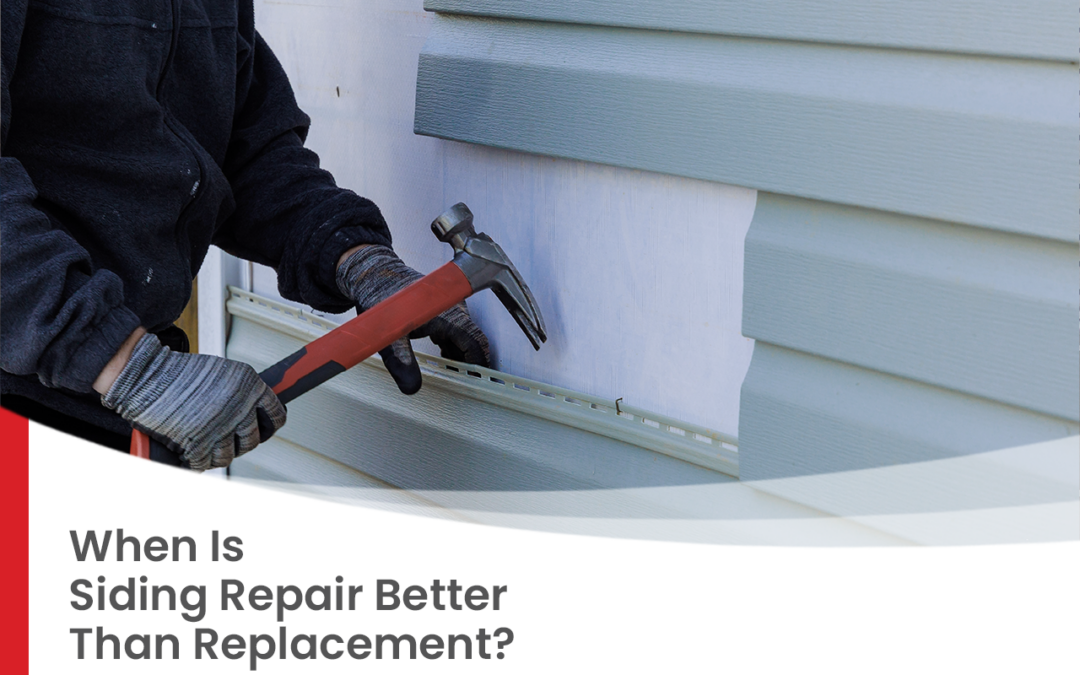
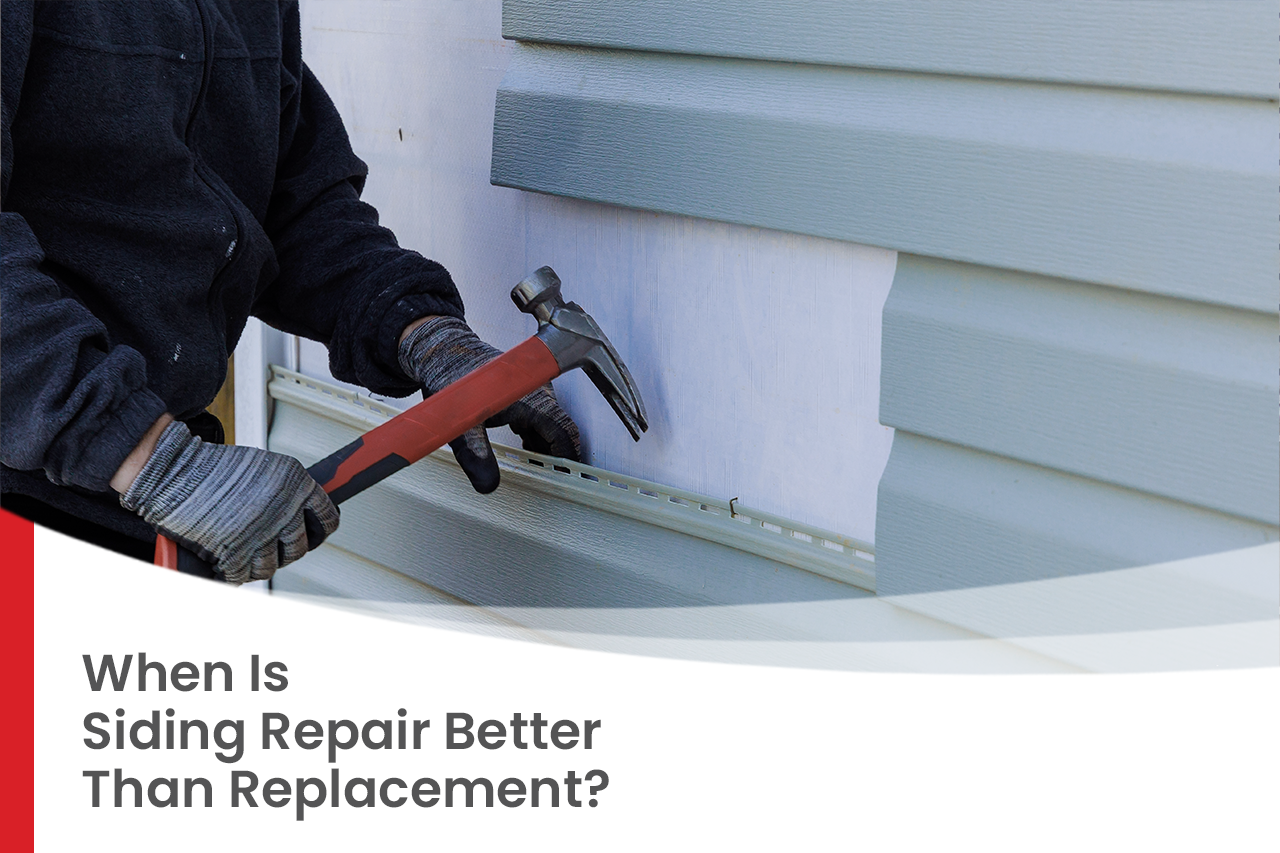
Not every siding problem requires removing and replacing your entire exterior. If the damage is limited to a specific area, a siding repair may be the most practical and cost-effective solution.
Minor issues such as a few cracked panels, small holes, loose sections, or isolated storm damage can often be corrected without replacing all of your siding. A professional contractor can evaluate the damage, determine the cause, and recommend the best solution to restore your home's protection and appearance.
Repairing damaged siding quickly is also important because small problems can become larger issues if moisture gets behind the siding. Addressing problems early can help prevent water damage, mold growth, and more expensive repairs in the future.
Your Siding Has Isolated Damage
One of the clearest situations where siding repair is a better option than replacement is when the damage is limited to a small area.
For example, siding may become damaged due to a fallen tree branch, a severe storm, accidental impact, or pests. If only a few sections are affected and the rest of the siding remains in good condition, replacing the damaged areas can restore your home's exterior without the expense of a complete siding project.
A professional siding contractor can match replacement materials as closely as possible to your existing siding, helping maintain your home's appearance while addressing the problem.
Your Siding Is Relatively New
The age of your siding plays a major role in deciding whether repair or replacement is the right choice. If your siding was installed recently and has not experienced widespread damage, a siding repair is often the better solution.
Newer siding materials typically still have many years of useful life remaining. Replacing the entire exterior because of a small issue may not provide the best return on your investment.
Instead, repairing damaged sections allows you to protect your home while getting the most value from your existing siding system.
The Damage Is Cosmetic
Some siding problems affect appearance more than performance. Fading, minor discoloration, or small imperfections may not require a full replacement.
A siding repair can improve the appearance of your home by addressing noticeable problem areas while keeping costs lower than a complete exterior renovation.
However, it is important to determine whether cosmetic issues are signs of a deeper problem. For example, discoloration could indicate moisture damage or mold growth behind the siding. A professional inspection can help determine whether the issue is purely visual or requires additional attention.
You Want to Extend the Life of Your Existing Siding
Homeowners often choose siding repair as a way to extend the lifespan of their current siding. Regular maintenance and timely repairs can help protect your exterior and prevent minor issues from becoming major problems.
Replacing damaged sections, resealing gaps, and addressing moisture concerns can help your siding continue performing properly for years.
Routine inspections are especially important after severe weather events. Strong winds, hail, and heavy storms can create damage that is not always immediately visible from the ground.
When Siding Replacement May Be the Better Choice
While siding repair is a great solution for many situations, there are times when replacement provides better long-term value. If your siding has extensive damage, repeated issues, or has reached the end of its lifespan, replacing it may be the smarter investment.
Widespread cracking, warping, rotting, moisture damage, or fading across large portions of your home may indicate that repairs will only provide a temporary solution.
Older siding can also become more difficult to match when repairs are needed. If replacement materials are no longer available or the repaired sections will look noticeably different from the rest of the home, a complete upgrade may provide a more consistent appearance.
Signs Your Siding May Need More Than Repair
Homeowners should consider replacement when siding problems affect the overall performance of their home's exterior. Persistent moisture problems, visible deterioration, and structural concerns often indicate that the siding system is no longer providing adequate protection.
If water is getting behind your siding, the issue can extend beyond the exterior surface. Moisture intrusion can damage insulation, framing, and other parts of your home's structure.
In these situations, investing in new siding can help restore your home's protection and prevent ongoing problems.
The Type of Siding Matters
The best repair or replacement option also depends on the type of siding installed on your home. Different materials have different durability, maintenance requirements, and repair options.
Vinyl siding is popular because individual panels can often be replaced if damage is limited. Fiber cement siding, such as Hardie Board, offers excellent durability but may require specialized repair techniques. Wood siding can often be repaired, but it may require additional maintenance to prevent future moisture and pest issues.
A knowledgeable siding contractor can evaluate your specific material and recommend the best approach.
Consider Your Long-Term Goals
When deciding between siding repair and replacement, it is important to consider your long-term plans for your home. If you plan to sell your property soon, a small repair may be enough to improve appearance and address immediate concerns.
If you plan to stay in your home for many years, investing in replacement may provide better value by improving durability, energy efficiency, and curb appeal.
The right decision depends on your home's current condition, your budget, and what you want to achieve with the project.
Trust HomeShield Ohio for Professional Siding Services
Determining whether siding repair is better than replacement depends on the extent of the damage, the age of your siding, and your home's specific needs. In many cases, repairing damaged areas can provide an affordable way to restore your exterior and protect your investment.
At HomeShield Ohio, we help homeowners make confident decisions about their siding with professional inspections, honest recommendations, and quality workmanship. Whether you need a small siding repair or are considering a complete siding replacement, our team can help you find the right solution for your home.
Contact HomeShield Ohio today to schedule a siding evaluation and learn how we can help protect and improve your home's exterior.
Related Siding Blogs
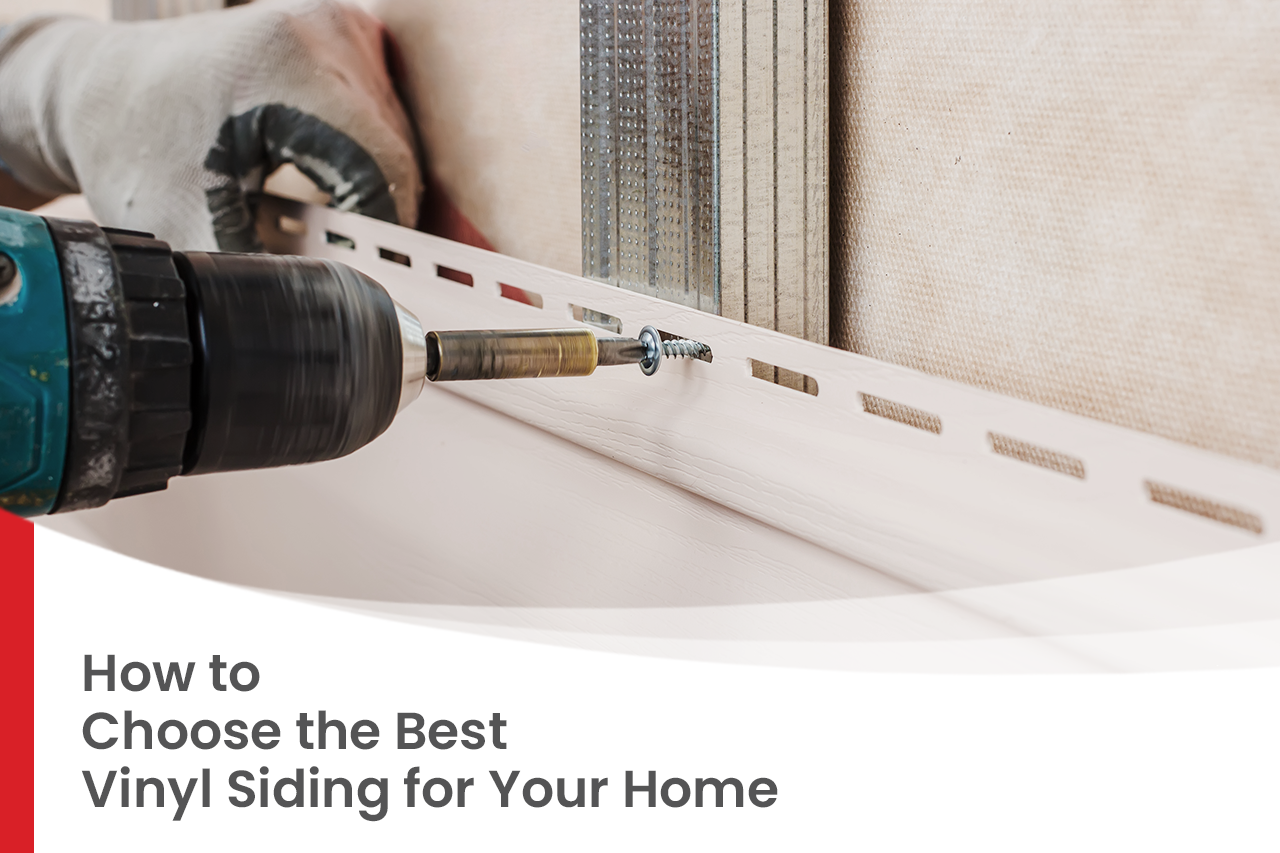
How to Choose the Best Vinyl Siding for Your Home
Choosing new siding is one of the best ways to improve your home's appearance while adding protection against the elements. The right siding can increase curb appeal, improve energy efficiency, and reduce maintenance for years to come. Among the many siding materials...
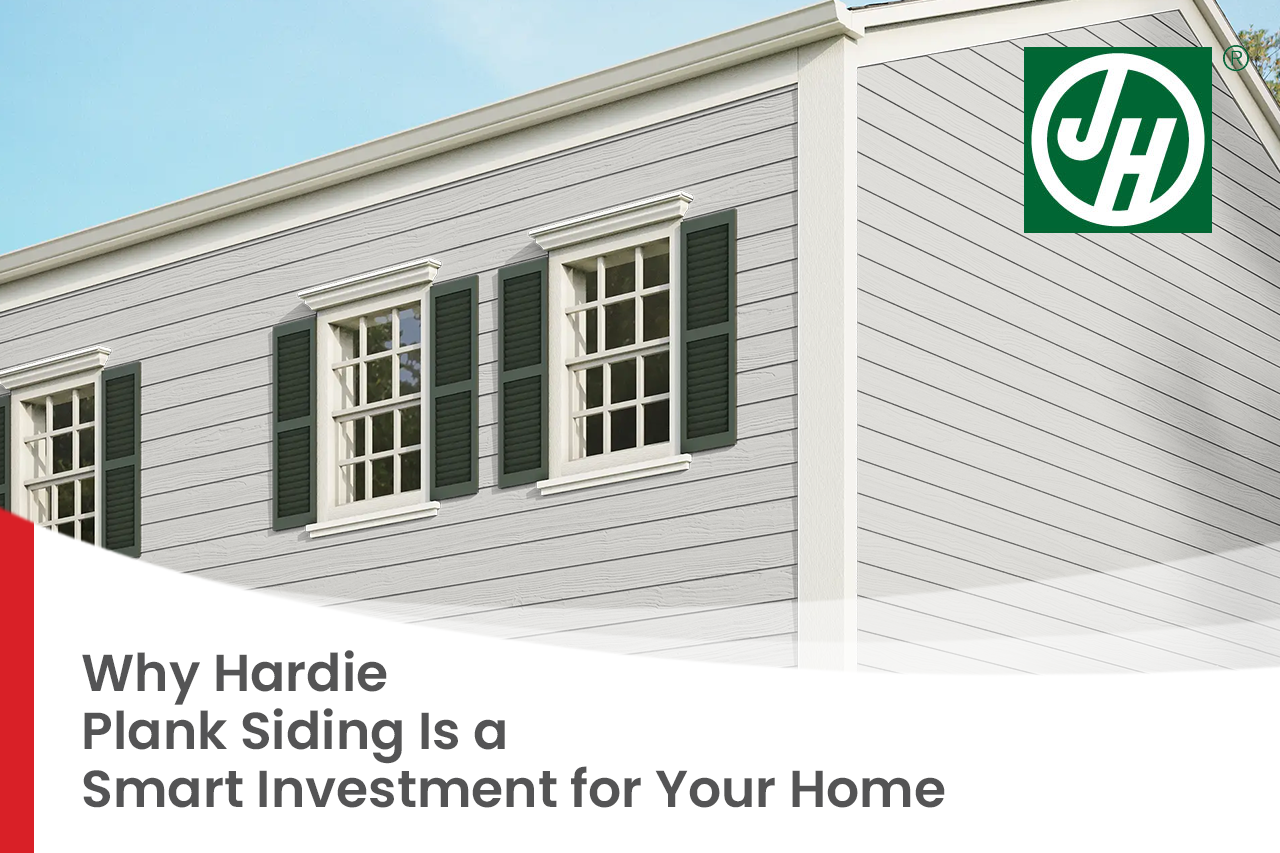
Why Hardie Plank Siding Is a Smart Investment for Your Home
Your home's siding does more than create an attractive exterior appearance. It helps protect your property from moisture, pests, temperature changes, and everyday weather conditions. Choosing the right siding material can improve your home's durability, energy...
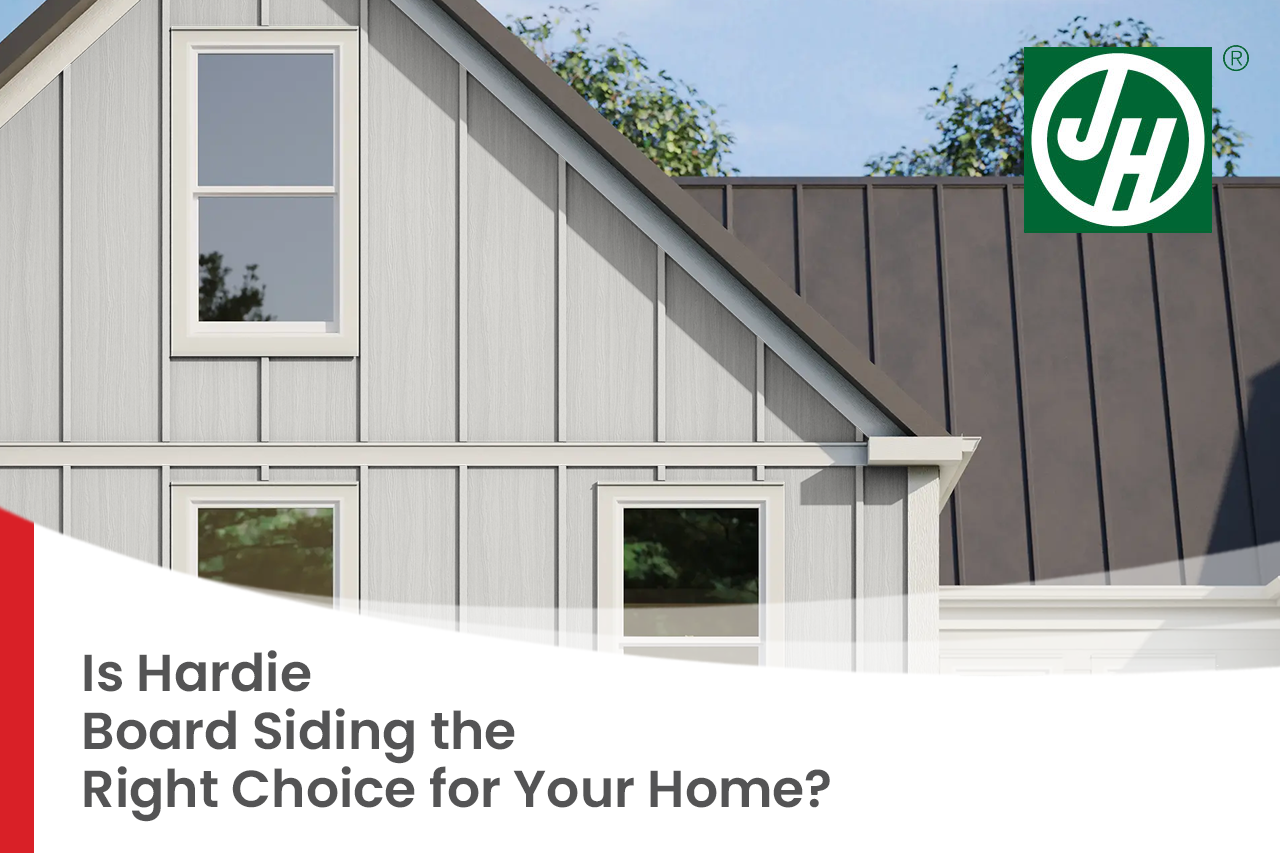
Is Hardie Board Siding the Right Choice for Your Home?
Choosing the right siding for your home is an important decision that impacts more than just curb appeal. Your siding protects your home from the elements, improves energy efficiency, and plays a major role in your property's overall appearance and value. With many...