Severe weather can have a major impact on your home, and your roof is often the first line of defense against the elements. While many homeowners notice obvious damage after a major storm, some roofing issues can be difficult to identify from the ground. Hail is one of the most common causes of hidden roof damage because it can weaken roofing materials without creating immediately visible problems.
Recognizing the signs of hail roof damage early can help you prevent more serious issues, protect your home, and avoid costly repairs in the future. Even small hail impacts can affect your roof's ability to protect your home from rain, wind, and moisture.
Understanding what to look for after a hailstorm can help you determine when it is time to schedule a professional roof inspection.
Severe weather can have a major impact on your home, and your roof is often the first line of defense against the elements. While many homeowners notice obvious damage after a major storm, some roofing issues can be difficult to identify from the ground. Hail is one of the most common causes of hidden roof damage because it can weaken roofing materials without creating immediately visible problems.
Recognizing the signs of hail roof damage early can help you prevent more serious issues, protect your home, and avoid costly repairs in the future. Even small hail impacts can affect your roof's ability to protect your home from rain, wind, and moisture.
Understanding what to look for after a hailstorm can help you determine when it is time to schedule a professional roof inspection.
How Hail Damages Your Roof
Hailstorms can vary significantly in intensity, and the size, speed, and amount of hail can all affect the level of damage your roof experiences. When hail hits your roof, the impact can crack shingles, remove protective granules, weaken roofing materials, and damage important components of your roofing system.
The most common type of hail roof damage occurs when hail impacts asphalt shingles. The force of the impact can create small dents or bruised areas that compromise the shingle's surface. While these areas may not always be easy to see, they can allow moisture to penetrate over time.
Even if your roof appears to be intact after a storm, a professional inspection can help identify damage that may otherwise go unnoticed.
Look for Missing or Damaged Shingles
One of the most noticeable signs of hail roof damage is missing, cracked, or damaged shingles. Strong hail can loosen shingles or cause sections of the roofing material to break away.
Missing shingles leave areas of your roof exposed to the elements, increasing the risk of leaks and moisture damage. Cracked shingles may also allow water to reach the underlying roofing materials.
After a hailstorm, it is a good idea to visually inspect your roof from the ground. However, homeowners should avoid climbing onto a damaged roof, as this can be unsafe and may cause additional damage.
Water Is Pooling Around Your Foundation
One of the primary purposes of a gutter system is to move water away from your home's foundation. When gutters are damaged or no longer functioning properly, rainwater may collect around the base of your home.
Pooling water can contribute to foundation cracks, basement moisture, soil erosion, and other costly issues. If cleaning and minor repairs do not resolve drainage problems, a gutter replacement may be necessary to restore proper water management.
A new gutter system can help ensure rainwater is directed safely away from vulnerable areas around your home.
Check for Granule Loss
Asphalt shingles are covered with protective granules that help shield the roof from sunlight and weather exposure. When hail impacts shingles, it can knock these granules loose and expose the underlying material.
One sign of hail roof damage is finding an unusual amount of roofing granules in your gutters, downspouts, or around your home's foundation after a storm.
Granule loss may seem minor, but it can reduce the effectiveness of your shingles and accelerate aging. Over time, areas with significant granule loss may become more vulnerable to water damage and deterioration.
Look for Dark Spots or Bruised Areas
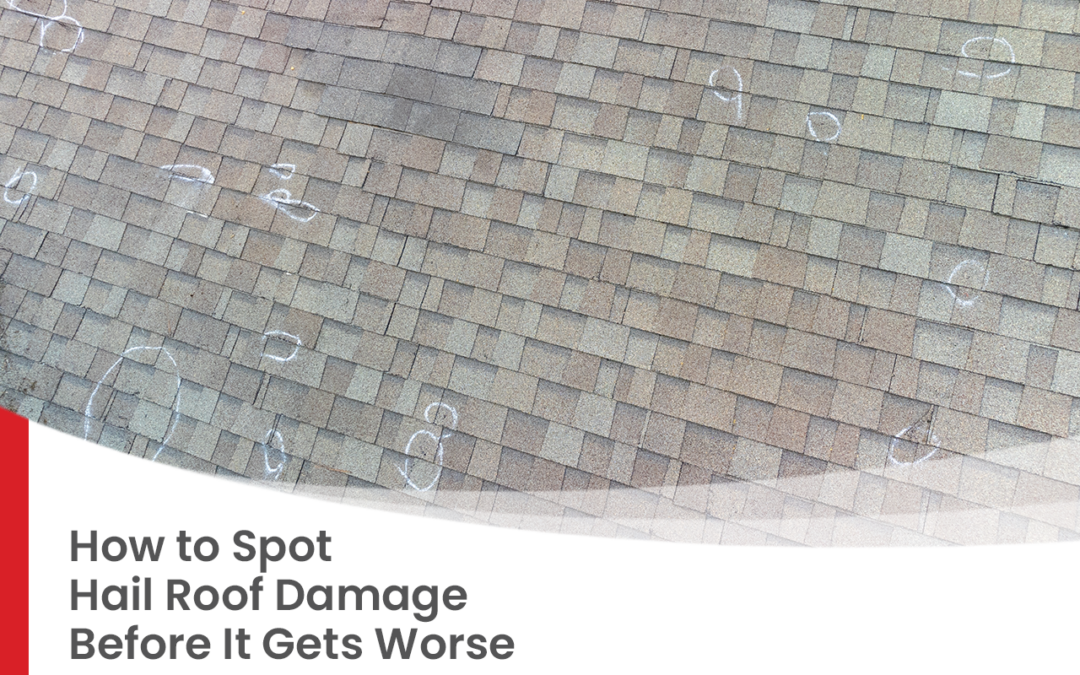
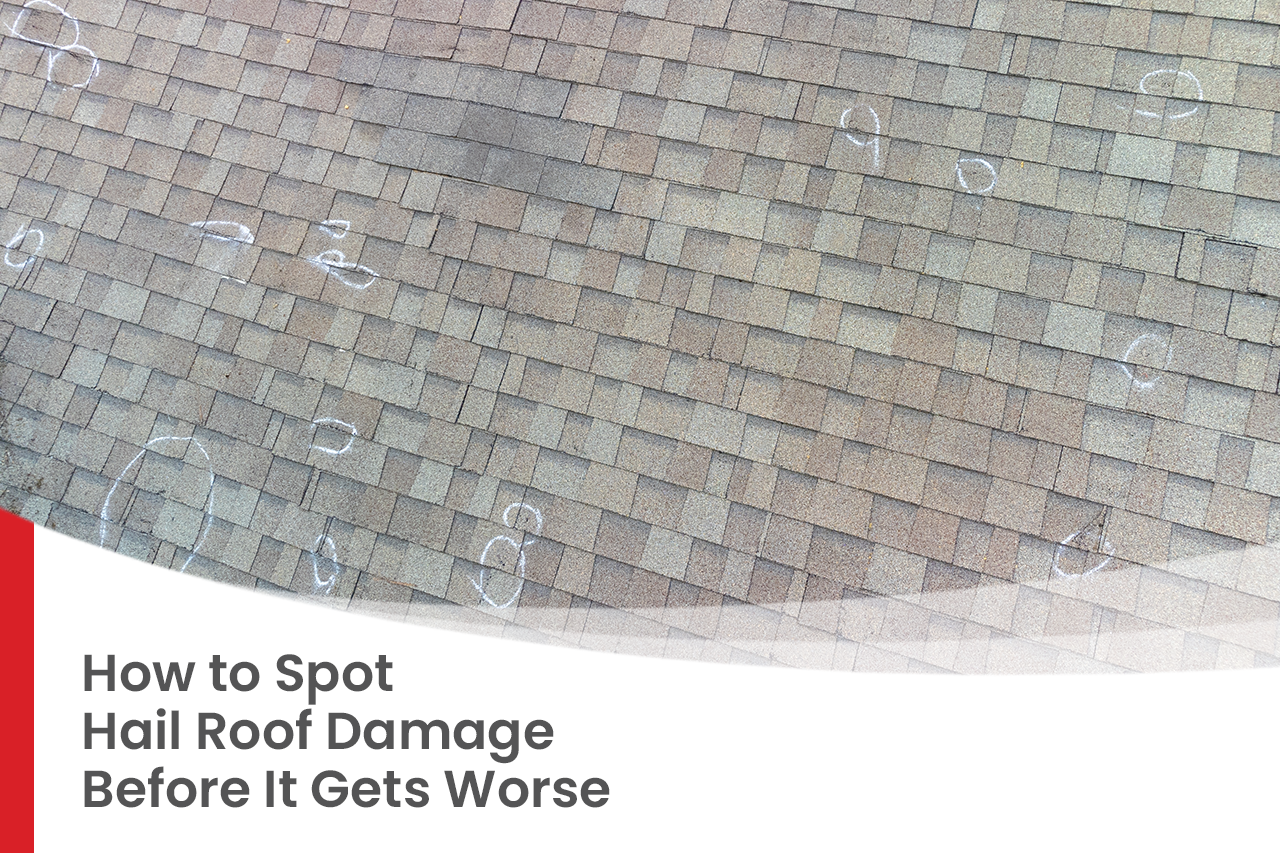
Hail impacts often leave behind dark spots or circular marks on asphalt shingles. These areas may look like small dents, bruises, or areas where the surface texture has changed.
Unlike obvious storm damage, these marks can sometimes blend in with the rest of the roof, especially on darker shingles. However, they may indicate that the shingle structure underneath has been compromised.
Professional roofing contractors are trained to identify these subtle signs of hail roof damage and can determine whether repairs are needed.
Inspect Your Gutters and Downspouts
Your gutters can provide valuable clues after a hailstorm. Since hail hits multiple parts of your home, your gutters, downspouts, and metal flashing may also show signs of impact.
Dents, scratches, or visible damage on metal surfaces can indicate that your roof may have experienced similar impacts.
Finding roofing granules in your gutters can also be an early warning sign that your shingles were affected by hail. Checking these areas after a storm can help you identify potential problems before they worsen.
Check for Damage Around Roof Features
Certain areas of your roof may be more vulnerable to hail impacts than others. Roof features such as vents, skylights, chimneys, flashing, and gutters can all experience damage during a storm.
Damage around these areas can create entry points for water and increase the risk of leaks. Since these components play an important role in protecting your home, they should be included in any roof inspection after severe weather.
Addressing hail roof damage around these areas quickly can help prevent more extensive repairs.
Why Hail Damage Should Be Addressed Quickly
Many homeowners make the mistake of waiting until they notice a leak before addressing hail roof damage. Unfortunately, by the time water enters your home, the damage may have already spread beyond the roof.
Untreated hail damage can lead to moisture intrusion, damaged insulation, mold growth, wood rot, and interior repairs. Taking action soon after a storm allows problems to be identified and addressed before they become more expensive.
A professional roof inspection provides a clearer understanding of your roof's condition and helps determine the best repair solution.
Insurance and Hail Roof Damage
If your roof has experienced hail roof damage, your homeowner's insurance may help cover the cost of repairs or replacement depending on your policy and the cause of damage.
After a major hailstorm, it is important to document any visible damage and contact a roofing professional for an inspection. A qualified contractor can help identify storm-related damage and provide documentation that may be useful during the insurance process.
Working with an experienced roofing company can make navigating storm damage repairs easier and ensure your roof receives the attention it needs.
Preventing Future Hail Damage
While no roof can completely prevent storm damage, choosing quality materials and maintaining your roofing system can improve its ability to withstand severe weather.
Regular inspections, prompt repairs, and proper maintenance can help extend the life of your roof and catch vulnerabilities before the next storm arrives.
If your roof is older or has already experienced significant weather damage, replacing worn materials may provide better protection against future storms.
Trust HomeShield Ohio for Hail Roof Damage Inspections
Identifying hail roof damage early is one of the best ways to protect your home and prevent more serious problems. Missing shingles, granule loss, dents, bruised areas, and damaged exterior components can all indicate that your roof needs professional attention.
At HomeShield Ohio, we help Ohio homeowners recover after severe weather with thorough inspections, honest recommendations, and quality roofing services. Our team understands the challenges that hailstorms can create and can help determine the best solution for your home.
Whether you suspect hail roof damage after a recent storm or want to make sure your roof is protecting your property properly, HomeShield Ohio is here to help.
Contact HomeShield Ohio today to schedule a roof inspection and learn more about protecting your home from storm damage.
Related Roofing Blogs

Is Rubber Roofing the Best Option for Your Property?
Choosing the right roofing material is one of the most important decisions you can make for your property. Whether you own a home with a low slope roof or manage a commercial building, selecting a roofing system that offers durability, weather resistance, and...
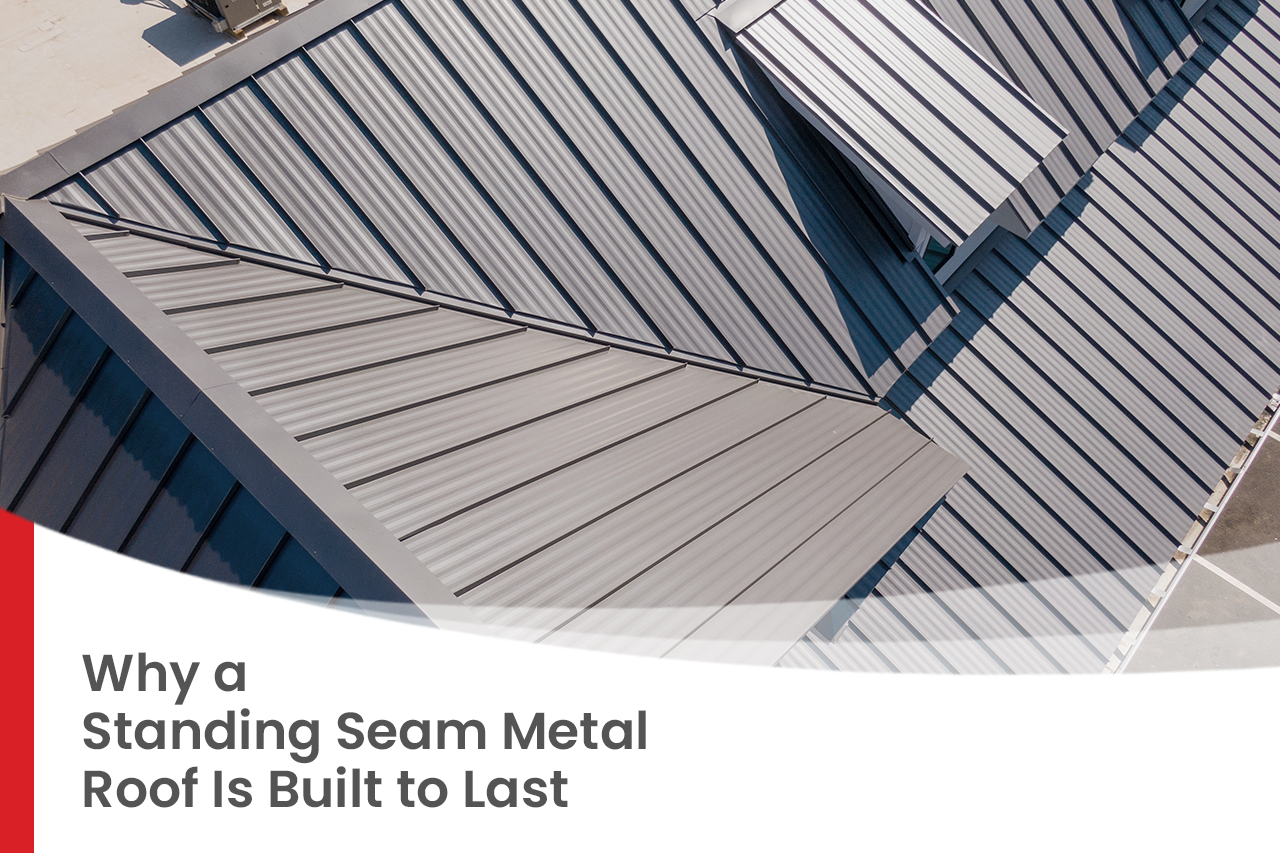
Why a Standing Seam Metal Roof Is Built to Last
When choosing a new roof, homeowners want a solution that provides lasting protection, improves curb appeal, and delivers long-term value. While asphalt shingles remain a popular option, more homeowners are considering metal roofing because of its exceptional...

Why Homeowners Choose Owens Corning Shingles
When it comes to protecting your home, your roof is one of the most important investments you will make. A quality roofing system helps defend your home against rain, wind, snow, heat, and other weather conditions while also contributing to your property's appearance...