Rubber Roofing
Choosing the right roofing material is one of the most important decisions you can make for your property. Whether you own a home with a low slope roof or manage a commercial building, selecting a roofing system that offers durability, weather resistance, and long-term value is essential. One option that has become increasingly popular is rubber roofing. Known for its flexibility and dependable performance, rubber roofing is commonly used on flat and low slope roofs because it provides excellent protection against moisture and changing weather conditions. However, like any roofing material, it has advantages and limitations that homeowners and property owners should consider before making a decision. If you are wondering whether rubber roofing is the right choice for your property, understanding how it works and where it performs best can help you make an informed decision.
Rubber Roofing

What Is Rubber Roofing?

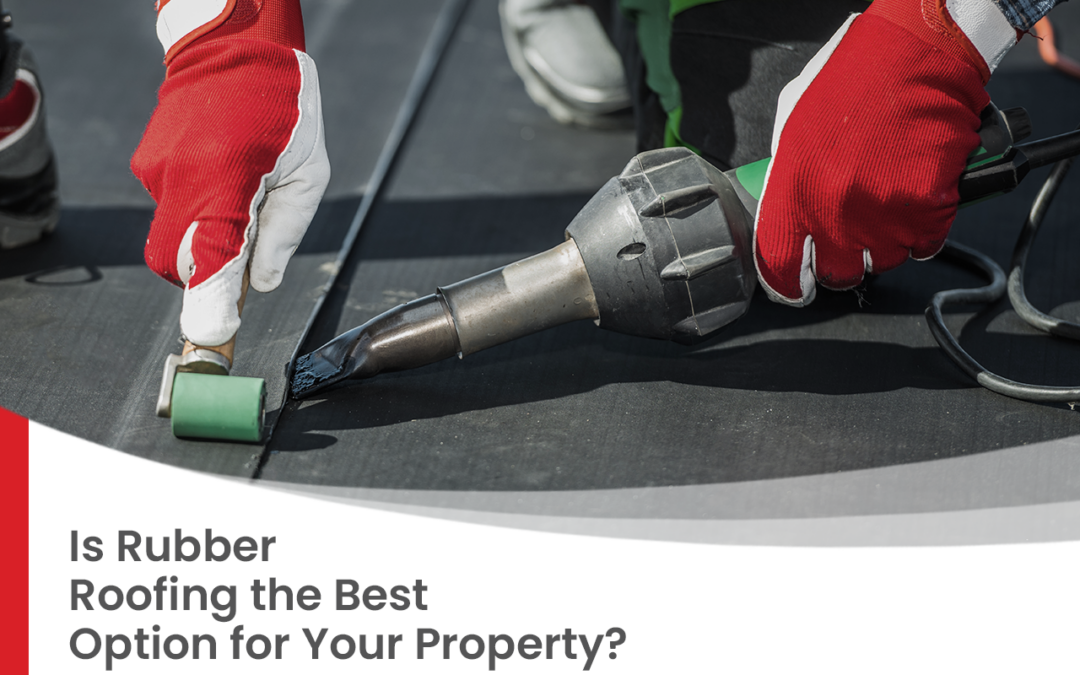
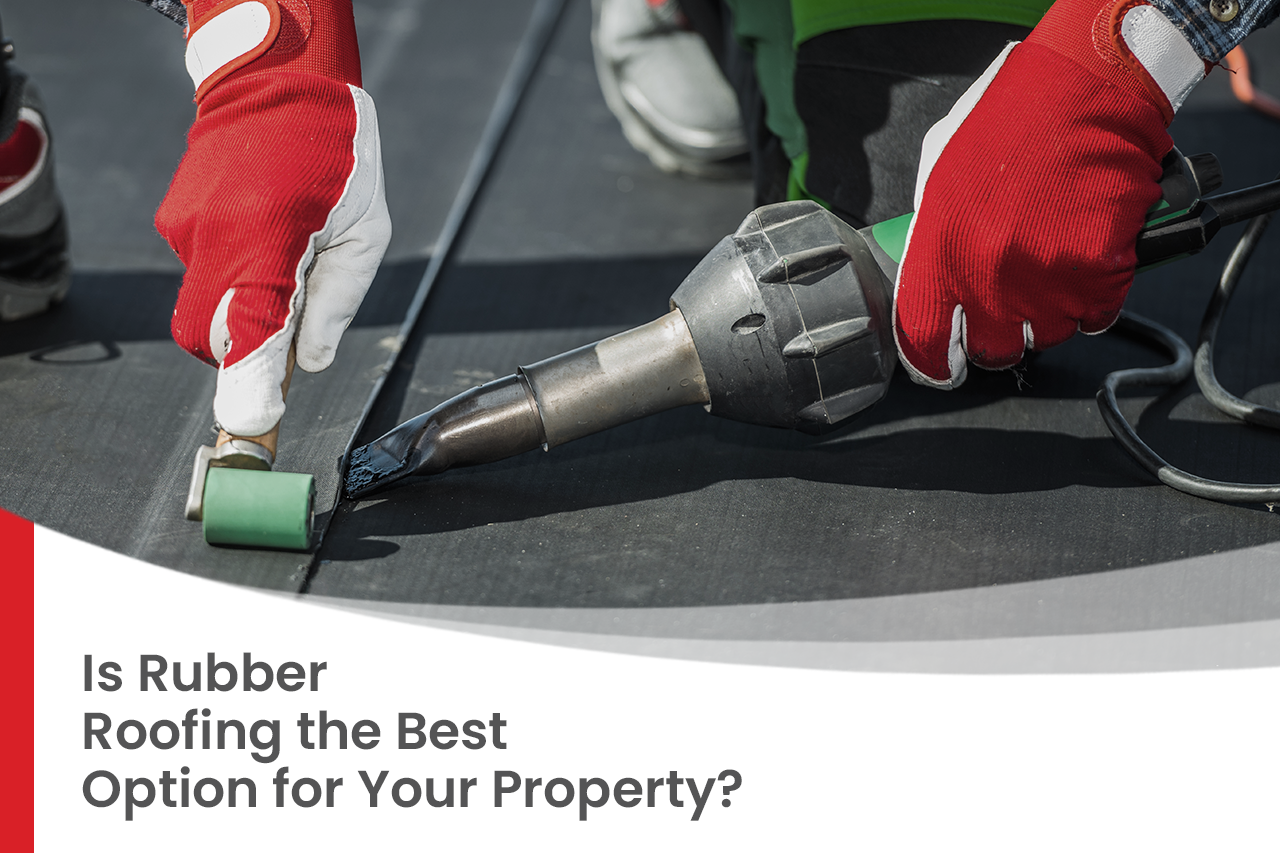
Rubber roofing is a roofing system made from durable synthetic rubber materials that are designed to create a waterproof barrier over flat or low slope roofs. One of the most commonly used materials is EPDM, which stands for ethylene propylene diene monomer. This synthetic rubber membrane has been widely used in residential and commercial roofing for decades because of its durability and weather resistance. Unlike traditional asphalt shingles, which are installed individually, rubber roofing is typically installed in large sheets that cover broad sections of the roof. This design helps minimize seams, reducing the opportunities for water to penetrate the roofing system. Because of its flexibility and durability, rubber roofing performs well in a variety of weather conditions.

Where Rubber Roofing Works Best

While rubber roofing can be used on some residential homes, it is most commonly installed on flat or low slope roofs where traditional shingles may not perform effectively. Commercial buildings frequently use rubber roofing because large, flat roof surfaces benefit from continuous waterproof membranes. It is also a popular choice for garages, home additions, porches, workshops, and other structures with low roof pitches. A roofing contractor can determine whether your roof’s design makes rubber roofing an appropriate option.

Excellent Water Resistance

One of the biggest advantages of rubber roofing is its ability to resist water intrusion. Flat roofs naturally allow water to remain on the surface longer than steeply sloped roofs, making waterproofing especially important. The seamless appearance of many rubber roofing systems helps reduce the number of joints where leaks can develop. When professionally installed, the membrane creates a durable barrier that helps prevent moisture from reaching the roof structure underneath. Proper drainage remains important, but rubber roofing provides dependable protection against rain and moisture throughout the year.

Your Gutters Frequently Overflow

Occasional overflow may happen during especially heavy storms, but frequent overflowing gutters are often a sign that something is wrong. While clogged gutters are a common cause, older or damaged gutters may also struggle to handle water flow. If regular cleaning does not solve the problem, your gutters may be too damaged, incorrectly sized, or no longer performing efficiently. A gutter replacement can provide a properly functioning system designed to better manage rainfall and protect your home throughout the year.

Durability in Changing Weather

Ohio weather can expose roofing systems to a wide range of conditions, including heavy rain, snow, freezing temperatures, summer heat, and strong winds. Rubber roofing is designed to remain flexible during temperature changes, allowing it to expand and contract without cracking as easily as some other roofing materials. This flexibility helps the roofing system continue performing through seasonal weather fluctuations. Its resistance to ultraviolet rays and ozone exposure also contributes to its long-term durability.

Energy Efficiency Benefits

Some rubber roofing systems are available in lighter colors that help reflect sunlight rather than absorbing heat. This can reduce rooftop temperatures and improve the energy efficiency of certain buildings during warmer months. Even darker rubber roofing systems can contribute to energy performance when combined with proper insulation and ventilation. The overall efficiency of your roof depends on the complete roofing system rather than a single material. If improving energy efficiency is one of your goals, a roofing professional can explain the options available for your property.

Low Maintenance Requirements

Another reason property owners choose rubber roofing is its relatively low maintenance requirements. Once installed, the roofing membrane typically requires only periodic inspections and routine cleaning to remove debris. Regular maintenance is still important because tree branches, sharp objects, or accumulated debris can damage the membrane over time. Annual inspections help identify small issues before they develop into larger repairs. Keeping gutters and drainage systems clear also helps maximize the performance and lifespan of your roofing system.

Potential Limitations of Rubber Roofing

Although rubber roofing offers many advantages, it is not the ideal solution for every property. Its appearance is generally simpler than traditional asphalt shingles or metal roofing, making it less desirable for homeowners who want a highly decorative roof on a steeply pitched home. In addition, installation requires specialized knowledge and techniques. Improper installation can reduce the effectiveness of the roofing system and increase the risk of leaks. Like any roofing material, rubber roofing performs best when installed by an experienced roofing contractor using quality materials.

How Long Does Rubber Roofing Last?

One reason many property owners choose rubber roofing is its impressive lifespan. With professional installation and proper maintenance, rubber roofing systems can often provide decades of reliable performance. The actual lifespan depends on several factors, including the quality of the materials, installation methods, weather exposure, and ongoing maintenance. Routine inspections and prompt repairs can help maximize the life of your roofing investment while reducing the likelihood of unexpected problems.

Is Rubber Roofing Right for Your Property?

Whether rubber roofing is the best choice depends on your property’s design and your long-term goals. If you have a flat or low slope roof, rubber roofing may provide an excellent combination of durability, weather resistance, and low maintenance. It is especially well suited for commercial buildings, garages, additions, and residential structures where waterproofing is a top priority. For homes with steep roof slopes, other roofing materials such as asphalt shingles or metal roofing may be more appropriate. A professional roofing inspection can help determine which roofing system offers the best performance for your specific property.

Professional Installation Makes the Difference

No matter which roofing material you choose, proper installation is essential. A roofing contractor should carefully prepare the roof surface, install the membrane according to manufacturer specifications, seal all seams correctly, and ensure proper drainage.

Professional installation helps maximize the lifespan of rubber roofing while reducing the risk of leaks and future repairs. Whether you need a complete gutter replacement or want to learn more about improving your home’s drainage system, HomeShield Ohio is here to help. Choosing an experienced contractor also provides confidence that your roofing

Trust HomeShield Ohio for Your Roofing Needs

Choosing the right roofing material is an important investment in your property’s future. Rubber roofing offers excellent durability, moisture protection, and long-term value for many flat and low slope roofs, making it a smart option for many homeowners and commercial property owners.

At HomeShield Ohio, we help property owners choose roofing solutions that fit their needs, budget, and building design. Our experienced team provides professional roof inspections, honest recommendations, and quality installation services to ensure your roofing system provides dependable protection. Whether you are considering rubber roofing for a new installation or replacing an aging roof, HomeShield Ohio is here to help.

Contact HomeShield Ohio today to schedule a consultation and learn which roofing solution is right for your property.

Related Roofing Blogs
What You Should Know About Steel Roof Cost Before Buying

What You Should Know About Steel Roof Cost Before Buying

When it comes to choosing a roofing material, homeowners are looking for options that provide durability, protection, and long-term value. Steel roofing has become a popular choice because of its strength, energy efficiency, and ability to withstand harsh weather...
What Determines Your New Roof Cost?

What Determines Your New Roof Cost?

Replacing your roof is a major investment that protects your home, improves curb appeal, and provides long-term peace of mind. However, many homeowners are unsure what they should expect to pay when planning a roofing project. The truth is that there is no single...
Is a Slate Roof Worth the Investment?

Is a Slate Roof Worth the Investment?

When it comes to premium roofing materials, few options offer the timeless beauty and impressive durability of a slate roof. For centuries, slate has been used to protect homes, churches, and historic buildings because of its natural strength and distinctive...